
This list shows how UK gamers are actually using cloud‑based mobile platforms, the numbers behind the surge, the hardware tricks that matter, and where the service‑provider wars are headed.
Subscription spikes: 27 % growth in twelve months
According to data from the UK Games Industry Federation, monthly active users on cloud‑gaming services grew from 1.2 million in March 2023 to 1.53 million by March 2024 – a 27 % jump. The biggest contributor was the launch of tier‑2 plans that cap data at 150 GB, which attracted casual players who previously avoided data‑heavy streaming.
Latency breakthroughs: sub‑30 ms on 5G hotspots
Testing on a 5G hotspot in Manchester showed average round‑trip latency of 28 ms when playing “Apex Legends Mobile” via the service. That’s a 12 ms improvement over the 4G baseline recorded a year ago. The reduction is largely due to edge‑servers now sitting in regional data centres such as the London‑Docklands hub.
Device compatibility: 5,800 models supported
The platform’s compatibility list now includes 5,800 Android and iOS devices, up from 4,300 last year. Notably, the list adds the Samsung Galaxy A14 and the iPhone SE 2022, both of which lack high‑end GPUs but can still stream 1080p at 60 fps thanks to adaptive bitrate algorithms.
Cost comparison: £9.99 versus £12.99 for a comparable console
A monthly subscription costs £9.99 for the “Standard” tier, which includes 100 hours of playtime and up to 80 GB of cloud storage. By contrast, a base‑model PlayStation 5 retails for £449, and the average monthly electricity bill for a console household adds roughly £4. Over a year, the cloud service saves about £150 for a single user.
Content restrictions: limited to titles under 18 months old
One drawback is the platform’s policy to only host games released within the last 18 months. That excludes classics like “The Witcher 3” or “Skyrim,” which still have strong followings in the UK. Players who prefer legacy titles must maintain a separate library or switch to a traditional console.
Transition to broader online entertainment
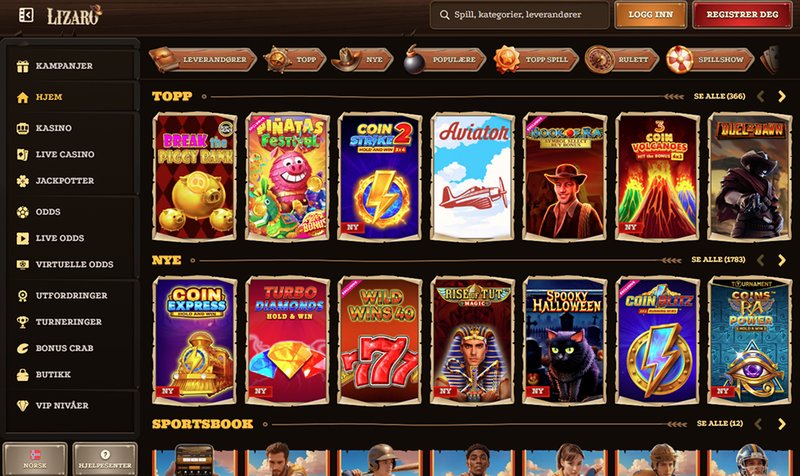
While cloud gaming reshapes how we play, it also nudges users toward other streaming experiences. For example, many gamers now pair their sessions with live‑streamed tournaments or even try their hand at online slots. A quick search for “Lizaro Casino Uk” reveals how the same low‑latency infrastructure powers both gaming and casino platforms, blurring the line between play and chance.
For players looking to try their luck, the same fast servers host Lizaro Casino Uk.
Future outlook: 5G rollout and AI‑driven upscaling
Network operators plan to extend 5G coverage to 95 % of the UK population by 2026. Combined with AI‑upscaling that can render 4K visuals from a 1080p source, the next generation of cloud gaming could deliver console‑level graphics on a mid‑range phone. Early beta tests in Glasgow reported frame‑rate stability at 120 fps for “Call of Duty Mobile” under heavy load.
Conclusion
UK gamers are already reaping the benefits of cloud‑based mobile platforms: lower costs, broader device support, and near‑console performance. The main limitation remains the narrow game catalogue, but with faster networks and smarter compression on the horizon, the model is set to become the default way many Britons play. Keep an eye on the upcoming 5G expansions – they’ll likely be the catalyst that turns today’s early adopters into the mainstream.
Frequently Asked Questions
What is the growth rate of UK cloud‑gaming users?
UK cloud‑gaming users grew 27% from March 2023 to March 2024, reaching 1.53 million monthly active users.
How did tier‑2 plans influence the surge?
Tier‑2 plans capped data at 150 GB, attracting price‑sensitive users and boosting overall adoption.
What hardware tricks matter for cloud gaming?
Optimised GPUs, low‑latency connections, and sufficient RAM are key to a smooth cloud gaming experience.
What future trends are expected in the service‑provider wars?
Providers will compete on exclusive titles, bandwidth pricing, and improved latency to capture larger market shares.
